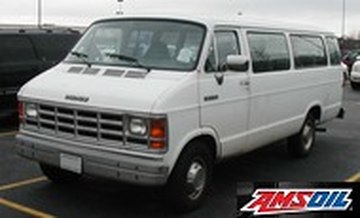
Engine Lubrication Maintenance for the 1981 Dodge Trucks B350 VAN 5.9L
Maintaining a large-displacement engine requires consistent attention to lubrication quality and system integrity. For owners of a 1981 Dodge Trucks B350 VAN equipped with the 5.9L engine, routine service is not merely about changing fluids; it involves a comprehensive approach to monitoring how the vehicle operates under various loads and environmental conditions.
Monitoring Fluid Integrity and Condition
One of the most effective ways to monitor the health of the 5.9L engine is through regular observation of the lubricant itself. When performing routine checks, pay close attention to the color and consistency of the oil on the dipstick. While some level of darkening is expected as the oil undergoes thermal cycles and collects microscopic debris, extreme discoloration or a gritty texture can be an indicator that the lubricant has reached the end of its effective service life.
If you notice any unusual odors emanating from the crankcase area, it warrants investigation. Strong chemical smells or scents that suggest combustion byproducts have entered the lubrication system may indicate that internal seals are no longer performing as intended. Furthermore, if the oil appears milky or has a frothy texture, this can be associated with coolant entering the lubrication passages, which requires immediate professional inspection to prevent engine damage.
Observing Potential Warning Signs
A proactive approach to maintenance involves recognizing subtle changes in how the vehicle behaves. While many mechanical issues present themselves suddenly, others manifest as gradual shifts in operation. For instance, if you notice an increase in lubricant consumption between service intervals, it is important to track this change carefully. Increased consumption can be caused by various factors, including aging seals or changes in operating temperature.
Visual inspections of the engine bay are also vital. Look for signs of seepage around various gaskets and sealing surfaces. While a small amount of "sweating" on an older engine is not always a cause for alarm, active leaks that result in fluid pooling or dripping onto hot components should be addressed promptly to avoid smoke or potential fire hazards. Additionally, keep an eye on any dashboard indicators; if a warning light related to lubrication or engine temperature illuminates, the vehicle should be inspected immediately to determine the underlying cause.
Prioritizing Long-Term Engine Care
As vehicles age, maintenance strategies often shift from purely reactive repairs to more structured preventive monitoring. For a 1981 Dodge Trucks B350 VAN, establishing a clear baseline of how the engine performs is essential. If you do not have access to comprehensive service records from previous owners, your first priority should be to document current fluid levels, consumption rates, and any observed leaks.
When managing an older vehicle, it is often more effective to prioritize maintenance based on the actual condition of components rather than strictly following age-based assumptions. For example, instead of replacing all rubber hoses or belts simply because they are several decades old, inspect them for signs of cracking, glazing, or excessive softness. If equipped, check accessible drive belts for fraying or deterioration. This condition-based approach ensures that resources are directed toward components that actually require attention, rather than replacing parts that still possess significant service life.
Systematic Inspection of Engine Components
A thorough maintenance routine should include a systematic look at the various systems surrounding the engine. If the vehicle is equipped with an external cooling system, inspect the hoses for any signs of bulging, hardening, or leaks at the connection points. A well-functioning cooling system is critical to maintaining the thermal stability of the engine oil.
Electrical connections and wiring harnesses should also be inspected for signs of corrosion or brittle insulation. In older vehicles, heat cycles can cause electrical connectors to become loose or oxidized, which may lead to erratic sensor readings or ignition issues. Similarly, if the vehicle utilizes an air filtration system, ensure the filter is clean and free of debris; a restricted air intake can increase the workload on the engine and potentially affect the internal environment of the crankcase.
Managing Maintenance Records
For long-term ownership, keeping a detailed log of all service performed on the 5.9L engine provides immense value. Documenting every oil change, filter replacement, and part installation allows you to identify patterns that might otherwise go unnoticed. For example, if you notice that a specific component requires more frequent attention than expected, your records will help you determine if this is a recurring issue or an isolated incident.
Having a clear history of maintenance also assists when troubleshooting unexpected symptoms. If a mechanic is called to investigate a potential issue, being able to provide a precise timeline of recent service can significantly speed up the diagnostic process and prevent unnecessary part replacements. Consistent record-keeping transforms maintenance from a series of disconnected tasks into a cohesive strategy for vehicle preservation.
Practical Guidance for Buying Engine Oil for your 1981 Dodge Trucks B350 VAN 5.9L
When it is time to replenish the lubrication in your engine, the most important step is to ensure the product matches the specific requirements of your application. Rather than relying on general automotive trends or assumptions about older engines, you must match the engine oil to the application-specific viscosity information already displayed on this webpage.
When selecting a product, consider the following practical steps:
- Verify Labeling: Always check the product packaging to ensure it meets the appropriate API service classifications for your needs.
- Evaluate Formulations: Depending on your engine's current condition and mileage, you may choose between conventional oil, synthetic blends, or full synthetic options. Some high-mileage oil formulations contain additives intended for use in aging engines, including seal-conditioning additives that may be beneficial for older sealing surfaces.
- Check Compatibility: Ensure the lubricant is compatible with any other fluids used in your vehicle's systems.
By strictly adhering to the viscosity and application data provided in the technical specifications above, you ensure that the 5.9L engine receives the exact type of lubrication necessary for its design and current operating state.